
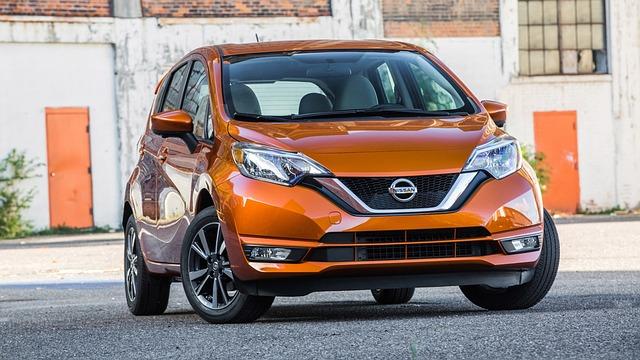
Nissan Motor Co. is set to slash its vehicle development timeline by 50%, drawing on strategies honed in the Chinese market, Nikkei Asia reports. The Japanese automaker aims to accelerate innovation and bring new models to market faster by adopting agile practices and streamlined processes successfully implemented in China. This move signals Nissan’s commitment to enhancing competitiveness amid a rapidly evolving global automotive landscape marked by electrification and shifting consumer demands.
Nissan Accelerates Vehicle Development by Adopting China Market Strategies
Nissan Motor Co. is set to revolutionize its global vehicle development process by incorporating strategies that have proven highly effective in the China market. By adopting a more agile and data-driven approach, the automaker aims to slash its development cycle from the traditional three years to under 18 months. This initiative draws heavily from Nissan’s localized operations in China, where rapid design iterations and close collaboration with tech partners have fostered faster innovation tailored to consumer preferences. Nissan expects this paradigm shift to enhance competitiveness across all key markets, especially amid escalating demands for electric and connected vehicles.
The new framework emphasizes streamlined project management and digital integration, including:
- Enhanced use of real-time data analytics to anticipate market trends
- Close coordination between R&D, manufacturing, and supply chain teams
- Accelerated prototyping through virtual simulations and 3D modeling
- Stronger partnerships with Chinese tech firms to leverage cutting-edge EV and autonomous systems
Behind the scenes, Nissan’s revamped timeline looks like this:
| Phase | Traditional Timeline | Target Timeline |
|---|---|---|
| Concept & Design | 12 months | 6 months |
| Development & Testing | 18 months | 8 months |
| Mass Production Setup | 6 months | 3 months |
Leveraging Agile Innovation and Localized Production to Slash Lead Times
Nissan is set to revolutionize its vehicle development timeline by adopting an agile innovation framework inspired by its successful operations in China. By localizing not only production but also R&D processes, the automaker aims to accelerate decision-making and enhance cross-functional collaboration. This shift enables Nissan to respond swiftly to market demands and technological trends without the traditional delays caused by global coordination and logistical bottlenecks.
Key strategies driving this transformation include:
- Decentralized engineering hubs: Empowering regional teams to tailor vehicle designs based on local consumer preferences.
- Integrated digital workflows: Utilizing real-time data sharing platforms to streamline prototype development and testing.
- Closer supplier partnerships: Establishing supply chains tightly aligned with production schedules to reduce wait times.
| Metric | Traditional Timeline | Target Timeline |
|---|---|---|
| Concept to Prototype | 12 Months | 6 Months |
| Testing & Validation | 8 Months | 4 Months |
| Supplier Lead Time | 5 Months | 2 Months |
Recommendations for Automakers Embracing Rapid Development Models
Automakers aiming to streamline their development cycles should prioritize cross-functional collaboration, drawing lessons from Nissan’s strategy in China. By integrating design, engineering, and supply chain teams early in the process, companies can reduce redundancies and accelerate decision-making. Additionally, adopting a modular platform approach enables faster adaptation to market demands without complete redesigns, significantly trimming development timelines.
Another crucial factor lies in harnessing digital tools and localized partnerships. Utilizing virtual prototyping and real-time data analytics supports rapid iteration and continuous improvement. Moreover, aligning with regional suppliers and technology firms can mitigate risks and optimize resource allocation. The table below summarizes key elements for success in rapid vehicle development:
| Key Element | Benefit | Example |
|---|---|---|
| Cross-functional Teams | Accelerates decision-making | Concurrent engineering |
| Modular Platforms | Enhances flexibility | Shared chassis architectures |
| Digital Prototyping | Reduces physical testing | 3D simulations |
| Localized Partnerships | Optimizes resources | Regional suppliers |
Final Thoughts
As Nissan embarks on implementing strategies inspired by its operations in China, the automaker aims to significantly accelerate its vehicle development cycle, cutting it in half. This move reflects a broader industry trend toward greater agility and efficiency amid intensifying competition and rapid technological change. Nissan’s approach could set a new benchmark in automotive innovation, demonstrating how lessons from diverse markets can drive global transformation. Stakeholders will be watching closely to see how these changes impact Nissan’s product lineup and market position in the coming years.