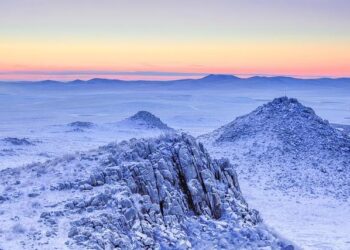
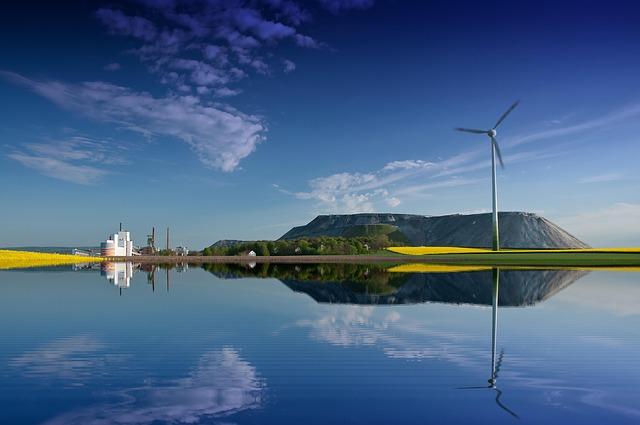
Mongolia’s mining sector continues to be the backbone of its economy, driving growth and attracting significant investment as the country embarks on a new wave of economic reforms. With substantial mineral wealth and a strategic location between China and Russia, Mongolia is leveraging its resource endowments to boost revenue, improve infrastructure, and deepen economic ties in the region. As reform momentum builds, policymakers are focused on creating a more transparent and sustainable mining industry to ensure long-term benefits for the nation’s development. This article explores how mining is shaping Mongolia’s economic landscape amid evolving regulatory changes and regional dynamics.
Mining fuels Mongolia’s economic growth amid rising global demand
Mongolia’s mining sector has become the backbone of the nation’s robust economic expansion, driven by surging global demand for critical minerals such as copper, coal, and gold. This surge not only bolsters export revenues but also attracts significant foreign direct investment, propelling infrastructure development and job creation across both urban and rural regions. The government’s commitment to refining mining regulations and improving transparency signals a new era of sustainable growth, aimed at maximizing resource potential while mitigating environmental and social impacts.
Key factors shaping the sector’s momentum include:
- Strategic partnerships with international miners expanding technology transfer and capacity building.
- Enhanced regulatory frameworks that streamline licensing and improve investor confidence.
- Focus on value addition through downstream processing to increase export revenues.
- Community engagement initiatives ensuring equitable benefits and minimizing local disruption.
| Mineral | Global Demand Growth (2023-2028) | Mongolia’s Export Share (%) |
|---|---|---|
| Copper | 12% | 18% |
| Coal | 8% | 25% |
| Gold | 5% | 10% |
Policy reforms aim to enhance transparency and attract foreign investment
In a decisive move to bolster economic growth, Mongolia has introduced a suite of legislative changes aimed at increasing the clarity and predictability of its mining sector regulations. These reforms target key regulatory bottlenecks that have historically deterred foreign investors, focusing on streamlining the permitting process and strengthening environmental safeguards. By institutionalizing transparency, authorities aim to create a stable investment climate where mineral extraction can proceed efficiently while respecting ecological and social standards.
The government’s new framework also prioritizes enhanced stakeholder engagement and improved revenue management practices. This includes the implementation of mandatory financial disclosures for mining companies and the establishment of an independent oversight body. Recent initiatives highlight:
- Clearer guidelines on license allocation and renewal
- Greater access to geological data for potential investors
- New incentives for sustainable mining practices
- Commitments to align with international transparency standards
| Reform Area | Expected Impact |
|---|---|
| Permitting Process | Reduced approval time by 40% |
| Environmental Oversight | Improved compliance and monitoring |
| Transparency Measures | Enhanced investor confidence |
| Revenue Management | Better allocation for social programs |
Experts recommend sustainable practices to balance environmental impact and economic benefits
Industry specialists emphasize that Mongolia’s mining boom must be coupled with sustainable frameworks to safeguard its fragile ecosystems while continuing to boost national revenue. Adopting advanced technologies such as remote sensing for environmental monitoring and employing renewable energy sources in extraction processes are viewed as critical steps to reduce carbon emissions and water usage. Moreover, experts advocate for enhanced community engagement to ensure that local populations benefit directly from mining activities, thus fostering social license and long-term economic stability.
Economic analysts underline that a delicate balance is essential, where fiscal incentives encourage responsible mining without compromising regulatory oversight. The proposal of a multi-tiered taxation system aims to distribute economic gains fairly between companies, local governments, and national coffers. Strategic investments in reclamation projects and biodiversity conservation are also highlighted as key to mitigating environmental degradation. The table below outlines some recommended sustainable practices and their associated impacts:
| Practice | Environmental Impact | Economic Benefit |
|---|---|---|
| Use of Renewable Energy | Reduces greenhouse gas emissions | Lower operational costs long-term |
| Water Recycling Systems | Minimizes freshwater withdrawal | Ensures resource availability for communities |
| Rehabilitation Programs | Restores degraded landscapes | Preserves ecosystem services aiding tourism |
| Community Profit-Sharing Models | Promotes social equity | Encourages stable local economies |
The Conclusion
As Mongolia continues to leverage its vast mineral resources, the mining sector remains a pivotal force driving the nation’s economic growth. With ongoing reforms aimed at improving governance, attracting investment, and ensuring sustainable development, the country stands at a critical juncture. The success of these efforts will not only shape Mongolia’s economic landscape but also influence its role within the broader East Asian region in the years to come.