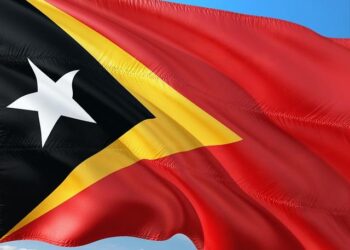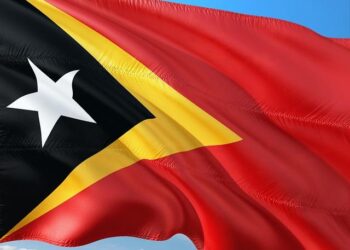
In a recent statement that underscores shifting geopolitical currents, the President of East Timor emphasized the aspirations of fragile nations to forge stronger ties with global powers such as China and the United States. Speaking to Nikkei Asia, the leader highlighted how developing countries are increasingly seeking partnerships that offer economic opportunities and security assurances amid a complex international landscape. This perspective sheds light on the evolving dynamics as smaller states navigate between competing influences in pursuit of stability and growth.
Fragile Nations Seek Leadership Role Models in China and United States
Fragile nations are increasingly turning to global powers like China and the United States for examples of governance and leadership as they confront persistent challenges in development, stability, and international diplomacy. According to the president of East Timor, these countries seek not only economic aid but also clear role models that demonstrate effective statecraft and inclusive growth. The desire reflects a broader search for strategic partnerships that go beyond transactional relations to embrace mentorship and shared visions for sustainable progress.
Key aspects these nations are focusing on include:
- Economic development: Implementing policies that drive growth while reducing inequality.
- Infrastructure investment: Building critical transport and digital networks to improve connectivity.
- Political stability: Strengthening institutions to uphold rule of law and transparency.
- Climate resilience: Adopting sustainable practices to mitigate environmental risks.
| Focus Area | China’s Approach | US’s Approach |
|---|---|---|
| Economic Development | Infrastructure-led growth & Belt and Road Initiative | Innovation-driven economy & trade partnerships |
| Political Stability | Centralized governance model | Democratic institutions & rule of law |
| Climate Resilience | Investment in green technology | Environmental regulations & clean energy incentives |
East Timor President Emphasizes Strategic Partnerships for Development and Stability
East Timor’s President has highlighted the crucial role of strategic partnerships in fostering both development and stability within fragile states. Emphasizing the country’s unique position, he pointed out how nations facing internal challenges often seek support and inspiration from global powers such as China and the United States. This dynamic underscores East Timor’s desire to not only strengthen diplomatic ties but also leverage economic and security cooperation to build resilient institutions and sustainable growth.
During his remarks, the president outlined key areas where collaboration is essential:
- Infrastructure development and modernization
- Capacity building in governance and security
- Regional stability and conflict prevention
- Economic diversification and investment facilitation
The president stressed that balancing engagement with major powers, while safeguarding national sovereignty, remains a delicate yet vital strategy for ensuring East Timor’s long-term prosperity.
| Partnership Area | Expected Outcome | Key Partner |
|---|---|---|
| Infrastructure | Improved connectivity and utilities | China |
| Security Collaboration | Enhanced regional peacekeeping | United States |
| Economic Growth | Increased foreign investment | China & US |
Experts Recommend Enhancing Diplomatic Engagement to Support Fragile State Resilience
Specialists emphasize the critical role of deepening diplomatic ties as a cornerstone for strengthening fragile states, particularly in regions facing persistent instability. Enhanced engagement goes beyond traditional aid, fostering mutual understanding, economic partnerships, and political cooperation that build long-term resilience. Such strategies enable fragile nations to leverage the expertise and resources of powerful stakeholders like China and the United States, aligning development objectives with global diplomatic agendas.
Key elements recommended by experts include:
- Consistent diplomatic dialogues that prioritize transparency and trust-building.
- Multilateral frameworks supporting shared security and economic prosperity.
- Targeted capacity-building initiatives tailored to local governance structures.
- Empowering regional partnerships to facilitate sustainable development.
| Diplomatic Focus | Impact on Fragile States |
|---|---|
| Political Stability | Reduces conflict risks, promotes governance reform |
| Economic Collaboration | Creates job opportunities, fosters infrastructure growth |
| Security Partnerships | Enhances defense capabilities, curbs insurgencies |
| Cultural Exchange | Builds mutual respect, nurtures long-term trust |
Key Takeaways
As East Timor’s president highlights the aspirations of fragile nations seeking guidance from global powers like China and the United States, the evolving dynamics underscore a broader shift in international relations. How these fragile states navigate their relationships with these influential players will remain a critical factor in regional stability and development in the years ahead.